The Rise of Online Bet Games: How Technology Is Changing Gambling
The gambling landscape has transformed significantly with the rise of online betting games. Tech innovations have served a crucial function in this transformation. Fast internet connections, smartphone accessibility, and cutting-edge gaming features have made gambling more accessible than ever. As players seek ease and customization, the industry evolves. However, the effects of these changes extend beyond mere entertainment. What does the future hold for this developing landscape?
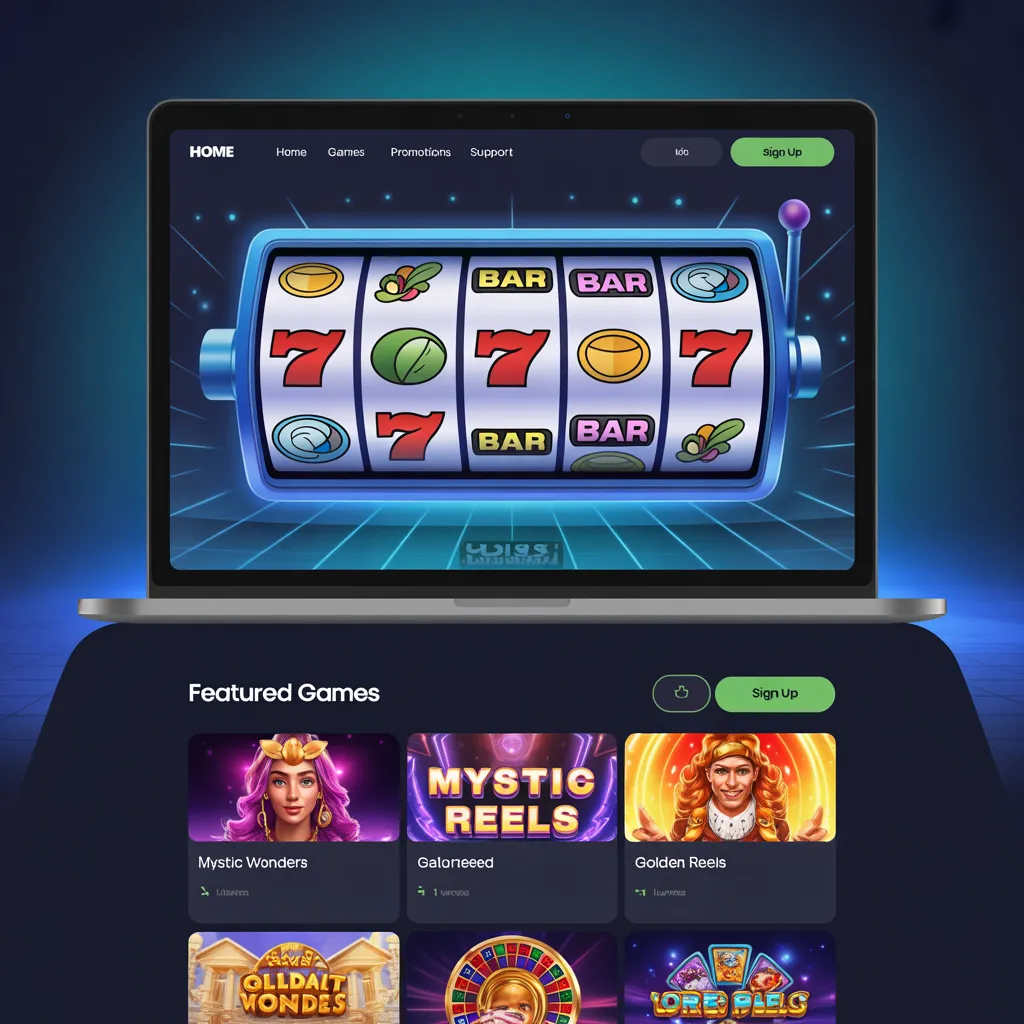
The Evolution of Online Gambling Through the Years
With technological advancement, online gambling evolved from a niche activity into a mainstream entertainment option. Originally, online casinos provided limited games with basic graphics and slow internet connectivity, which restricted user engagement. Nonetheless, with the advent of high-speed internet and improved software development, the online gambling landscape developed dramatically.
The emergence of mobile devices took to new heights the industry, allowing players to access games anytime and anywhere. Improved security measures, such as encryption technologies, built trust among users, encouraging them to participate in online betting.
Moreover, regulations began to catch up with the digital age, delivering a framework that encouraged responsible gambling practices. The growth of social media and online communities also served a crucial function, as players communicated experiences and strategies, nurturing a sense of community. On the whole, the evolution applicable information of online gambling showcases technological advancements and shifting consumer preferences, leading to a vibrant and dynamic industry today.
Real-Time Dealer Games: Connecting Electronic and Genuine Entertainment
Live dealer games have surfaced as a revolutionary advancement in the internet gambling field, successfully merging the exhilaration of land-based casinos with the ease of digital platforms. These games utilize real dealers who operate live from studios, permitting players to engage with them in live through video streaming technology. This setup produces an compelling experience that recreates the feel of a physical casino while ensuring the accessibility that online gaming offers.
Participants can engage with gaming hosts and other participants, improving social involvement and adding a personal touch to the gaming experience. Live dealer games include popular options such as blackjack, roulette, and baccarat, appealing to a diverse audience. The integration of premium-quality video and seamless gameplay has further drawn players seeking authenticity in their online gambling experiences. As technology continues to progress, live dealer games stand at the forefront, linking the space between virtual and real-world gambling environments.
Online Gambling with Virtual Reality
VR is revolutionizing online gambling by providing an immersive gaming experience that closely simulates physical casinos. This technology enhances social interaction among players, enabling more engaging and dynamic connections. Additionally, realistic casino environments create a sense of presence that elevates the overall gaming experience.
Engaging Gaming Encounter
The emergence of immersive gaming experiences has transformed online gambling, captivating players with fresh levels of interaction. Virtual reality (VR) technology serves a crucial function in this transformation, allowing users to engage in lifelike environments that mimic real casinos. Players wear VR headsets to experience three-dimensional visuals and immersive audio, creating an engaging atmosphere that traditional online platforms fail to reproduce. This innovation enables individuals to navigate virtual spaces, interact with games, and even simulate the feel of placing bets at a physical table. As a result, the immersive nature of VR gambling intensifies the excitement and thrill, drawing in both seasoned players and newcomers alike. This shift signifies a new era in online gaming, where technology enhances the overall gambling experience.
Improved Interpersonal Exchange
In what ways can improved social engagement transform the online gambling industry? The integration of virtual reality (VR) technology into online gambling platforms fosters a sense of community among players. By creating immersive environments where users can interact in real-time, VR enhances the social experience, allowing players to engage with friends or make new connections while gambling. This transition from isolated wagering to shared experiences significantly influences player loyalty and contentment. Furthermore, capabilities like real-time messaging and character personalization enhance individualized engagement, rendering the online gambling environment more accessible. As users communicate their achievements or approaches throughout these virtual platforms, the collective allure of online gambling expands, likely appealing to a more diverse audience and altering established gambling practices.
True-to-Life Casino Experiences
As gamers pursue more immersive experiences, true-to-life gaming venues constructed through virtual reality technology are changing online gambling. This innovative approach delivers users the opportunity to immerse themselves in lifelike settings that replicate the ambiance of physical casinos. Players can navigate virtual spaces, engage with other participants, and enjoy a broad selection of games from the comfort of their homes. Sophisticated graphics and sound effects enhance the sensory experience, making it tough to separate virtual and real-life gambling. Additionally, the integration of VR technology fosters a sense of presence, pulling players into an engaging atmosphere. As this technology continues to evolve, it will redefine the landscape of online gambling, capturing a new generation of enthusiasts excited about authentic gaming experiences.
Smartphone Betting Platforms: Betting Right at Your Fingertips
Mobile betting applications have transformed the gambling landscape by delivering immediate access to gaming options from anywhere. This accessibility elevates player satisfaction, enabling players to engage with their preferred betting options smoothly. As technological innovation progresses, the requirement for these applications keeps growing, transforming the world of online gambling.
Access Anytime, Anywhere
With the advent of mobile technology, gamblers can now enjoy their favorite games from almost any location, transforming the landscape of online gambling. Mobile betting apps have allowed players to place stakes on sporting events, casino games, and other gambling activities directly from their portable gadgets. This convenience enables users to keep in touch with their accounts and take part in live events in real-time, without being bound to a desktop computer. Moreover, the accessibility of these apps has broadened the audience for online gambling, appealing to new players who may have previously been cautious. As a result, the gambling industry has experienced substantial growth, with mobile platforms becoming a major force in the market.
Superior Client Experience
Although traditional gambling typically entailed extended processes and actual presence, the advent of mobile betting apps has revolutionized the user experience by bringing gaming at their fingertips. These apps provide seamless navigation, making it easy for users to submit bets quickly, track scores, and access multiple gaming options. Improved graphics and user interfaces create an captivating environment that simulates the excitement of physical casinos. Additionally, personalized notifications keep users informed about promotions and game updates, building a sense of connection. The convenience of mobile betting enables for spontaneous gaming sessions, whether at home or on the go. As technology continues to advance, these apps are likely to additionally enhance user experience, solidifying their place in the gambling industry.
The Impact of Artificial Intelligence on Gaming Personalization
As the gaming sector continues to develop, artificial intelligence is playing a progressively more significant vital part in improving personalization for players. AI algorithms process extensive quantities of player data, including interests, behaviors, and gameplay patterns, facilitating customized gaming experiences. This technology can recommend games that match individual preferences, thereby increasing player engagement and satisfaction.
Moreover, AI-driven systems can intelligently adjust game difficulty in relation to a player's skill level, guaranteeing a balanced challenge that keeps users interested. Individualized promotions and bonuses are also generated through AI, targeting players with offers that resonate with their gaming habits.
In addition, machine learning can identify trends within the gaming community, empowering developers to develop content that satisfies emerging demands. In general, AI's integration into gaming personalization not only enhances the player experience but also fosters loyalty, ultimately fueling growth within the online gambling market.
Ensuring Safety and Fair Play in Online Gambling
The growing complexity of digital gambling platforms requires a robust emphasis on security and fair play. To maintain user trust, operators utilize advanced encryption technologies that secure personal and financial data from potential breaches. Regulatory bodies play an essential role in overseeing these platforms, ensuring compliance with industry standards and fair gaming practices.
Moreover, several online casinos employ random number generators (RNGs) to ensure the integrity of games. These RNGs are regularly audited by independent organizations, providing transparency and assuring players that game results are not rigged. Additionally, responsible gambling measures, such as self-exclusion options and deposit limits, are implemented to protect players from excessive losses.
As the online gambling industry continues its evolution, the commitment to security and fair play remains of utmost importance. Through prioritizing these elements, platforms can create a safe gambling environment, in turn improving user experience and ensuring growth within the industry.

What's Next for Online Betting?
With technology-driven developments spurring innovation, the future of online betting looks set for significant transformation. Emerging technologies, such as artificial intelligence and blockchain, are ready to enhance security and user experience. AI can analyze player behavior to create personalized betting options and responsible gambling tools, while blockchain ensures transparency, securing fair play and secure transactions.
In addition, the integration of VR and AR reality could reshape the online betting landscape, creating captivating environments that replicate physical casinos. This development may attract a more diverse audience, engaging both traditional gamblers and tech-savvy users.
Additionally, regulatory frameworks are expected to evolve, adjusting to new technologies and consumer needs. As mobile platforms increasingly dominate, the accessibility of online betting will progressively increase, paving the way for innovative betting formats and social gaming experiences. On the whole, the future of online betting looks to be dynamic, engaging, and more secure than ever before.
FAQ
Which Types of Games Dominate Online Betting Today?
Currently, popular online betting games consist of sports betting, poker, blackjack, and slot games. These games draw in players owing to their convenience, compelling interfaces, and the excitement of potential winnings, enriching the entire gambling experience.
How Do Online Gaming Sites Ensure Fair Play and Prevent Cheating?
Digital casinos provide fair play and eliminate cheating by employing random number generators, deploying strong security measures, conducting frequent audits, and adhering to regulatory standards. These practices encourage transparency and maintain player trust in the gaming experience.
Are Online Betting Platforms Regulated by Government Authorities?
Indeed, online betting platforms are generally regulated by government agencies. These regulations guarantee compliance with legal standards, promote fair play, and safeguard consumers, while also strengthening the trustworthiness and accountability of the online gambling marketplace.
What Payment Options Can Be Used for Online Gambling Transactions?
Online gambling transactions typically offer various payment methods, like card payments, electronic wallets, direct bank transfers, and cryptocurrencies. Each option differs in processing speed, protection, and accessibility, serving different user preferences and requirements.
Is It Possible to Play Online Games for Free Before Betting Real Money?
Absolutely, numerous online casinos offer free versions of games, enabling players to practice without risking real money. This feature allows users to familiarize themselves with gameplay and strategies before investing real money.